How to Choose the Best CMS for Your Business: WordPress vs. Headless CMS
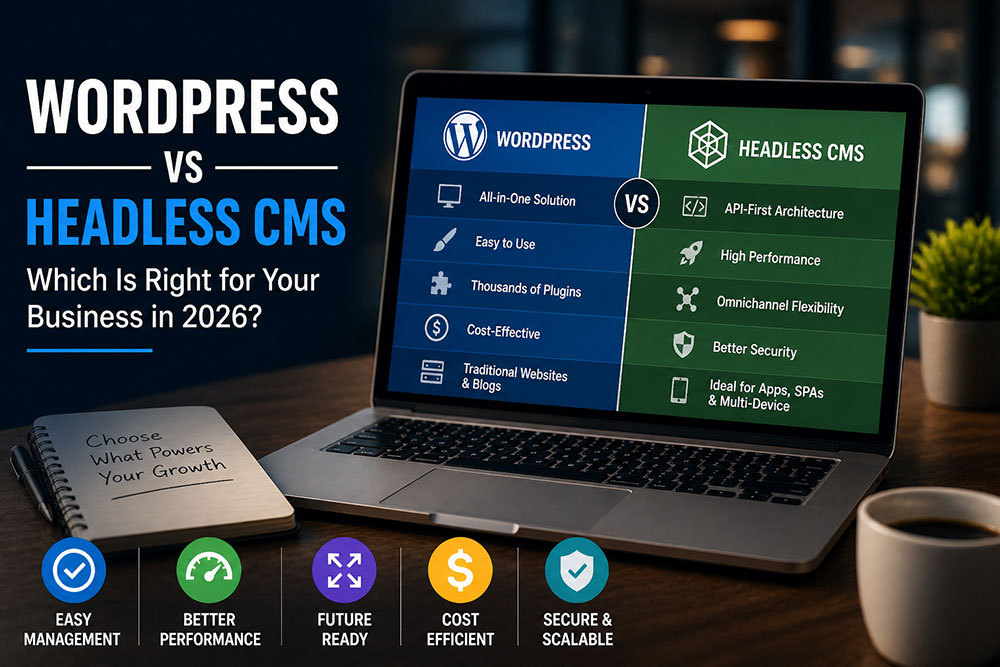
Choosing the right Content Management System (CMS) is a critical decision for any business. In 2026, the debate between WordPress and Headless CMS is more relevant than ever. Each option offers unique advantages depending on your business needs, scalability goals, and technical requirements.
What is WordPress?
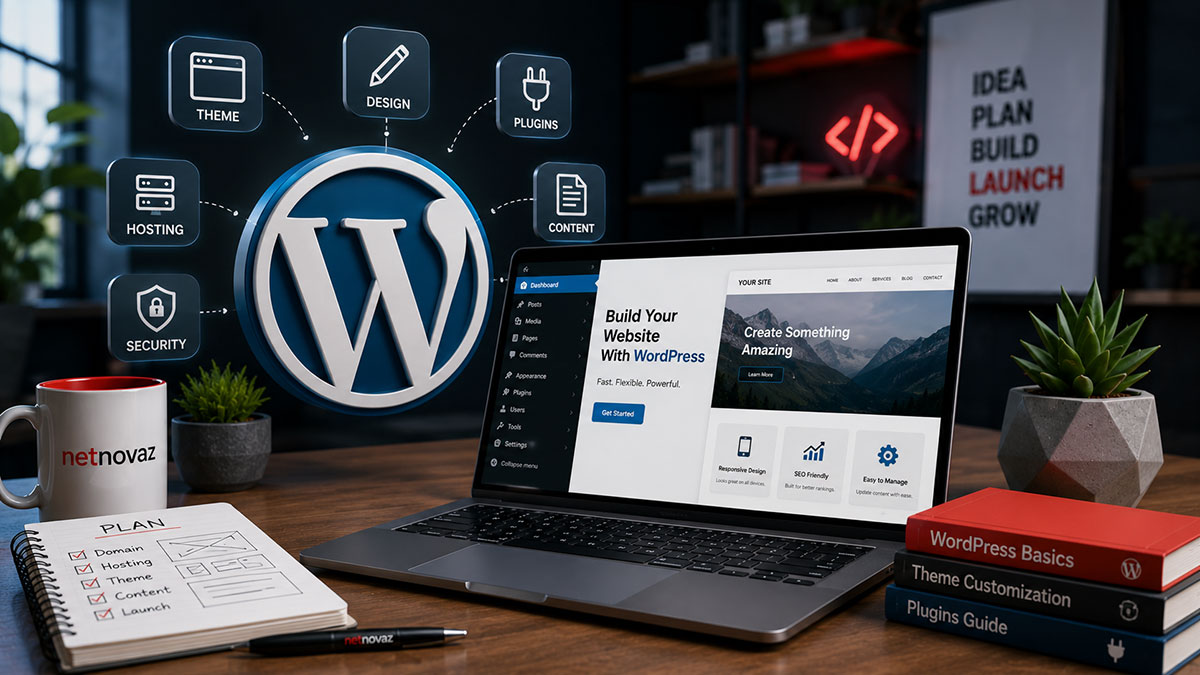
WordPress is a traditional CMS that combines content management and frontend design in one system. It is widely used due to its simplicity and flexibility.
Benefits of WordPress
- Easy to use and manage
- Large plugin ecosystem
- Cost-effective
- Ideal for small to medium businesses
Limitations of WordPress
- Limited scalability for complex applications
- Performance issues with heavy plugins
- Security vulnerabilities if not maintained properly
What is a Headless CMS?
A Headless CMS separates the backend (content management) from the frontend (presentation layer). Content is delivered via APIs to multiple platforms like websites, apps, and IoT devices.
- High scalability
- Faster performance
- Omnichannel content delivery
- Greater flexibility for developers
Limitations of WordPress
- Requires technical expertise
- Higher development cost
- No built-in frontend
Key Differences
1. Flexibility
2. Performance
3. Scalability
Headless CMS is better suited for large-scale and complex applications.
4. Cost
When to Choose WordPress
- Small to medium business websites
- Blogs and content-driven sites
- Limited technical resources
When to Choose Headless CMS
- Large-scale applications
- Multi-platform content delivery
- Custom frontend requirements
SEO Considerations
- WordPress offers built-in SEO plugins
- Headless CMS requires manual SEO setup
- Both can perform well if optimized properly
Conclusion
Both WordPress and Headless CMS have their strengths. The right choice depends on your business size, goals, and technical capabilities. Making the right decision can significantly impact your website performance and growth.