Data-Driven Branding: Using Analytics to Design Your Corporate Identity
Branding is no longer just about creativity—it is about data. In 2026, successful brands use analytics and insights to design identities that resonate with their target audience and drive measurable results.
What is Data-Driven Branding?
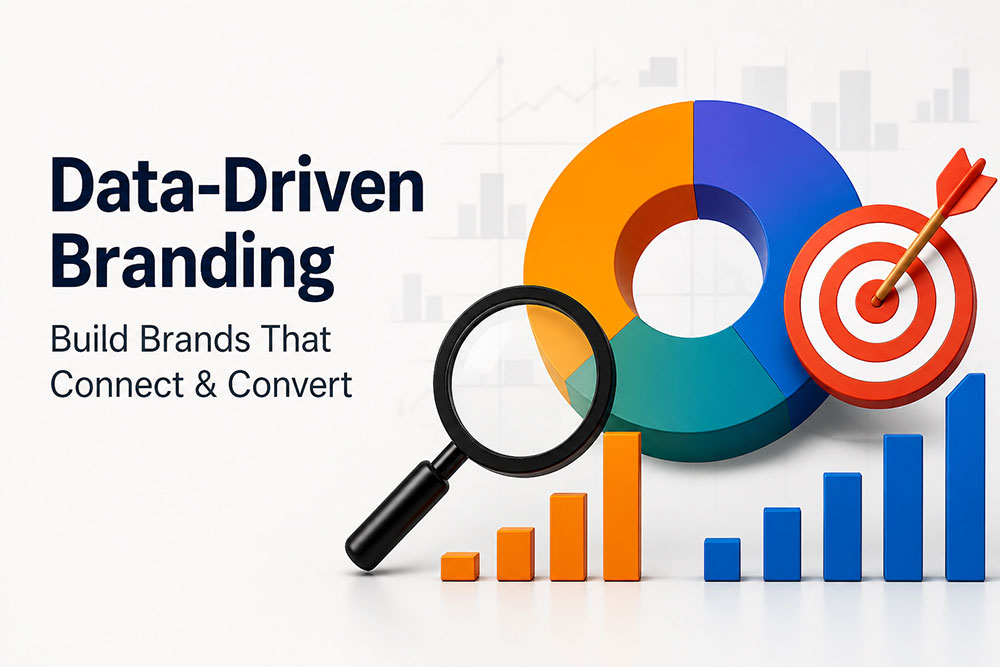
Data-driven branding involves using analytics, user behavior, and market insights to shape brand identity, messaging, and design decisions.
Why Data Matters in Branding
- Reduces guesswork
- Improves audience targeting
- Enhances brand consistency
- Increases ROI
Key Data Sources for Branding
1. Website Analytics
Understand user behavior, traffic sources, and engagement patterns.
2. Social Media Insights
Track likes, shares, comments, and audience demographics.
3. Customer Feedback
Use surveys, reviews, and testimonials to gain insights.
4. Market Research
Analyze competitors and industry trends.
How to Use Data in Branding
1. Define Your Target Audience
Use data to identify demographics, interests, and behavior.
2. Create Buyer Personas
Develop detailed profiles of your ideal customers.
3. Design Visual Identity
Choose colors, fonts, and styles based on audience preferences.
4. Craft Messaging
Align your brand voice with customer expectations.
5. Test and Optimize
Continuously refine branding elements based on performance data.
Benefits of Data-Driven Branding
- Better customer engagement
- Stronger brand loyalty
- Higher conversion rates
- Improved marketing efficiency
Common Mistakes to Avoid
- Ignoring data insights
- Overcomplicating branding
- Inconsistent messaging
- Not testing changes
Conclusion
Data-driven branding helps businesses create identities that are not only visually appealing but also highly effective. By combining creativity with analytics, brands can achieve sustainable growth.